
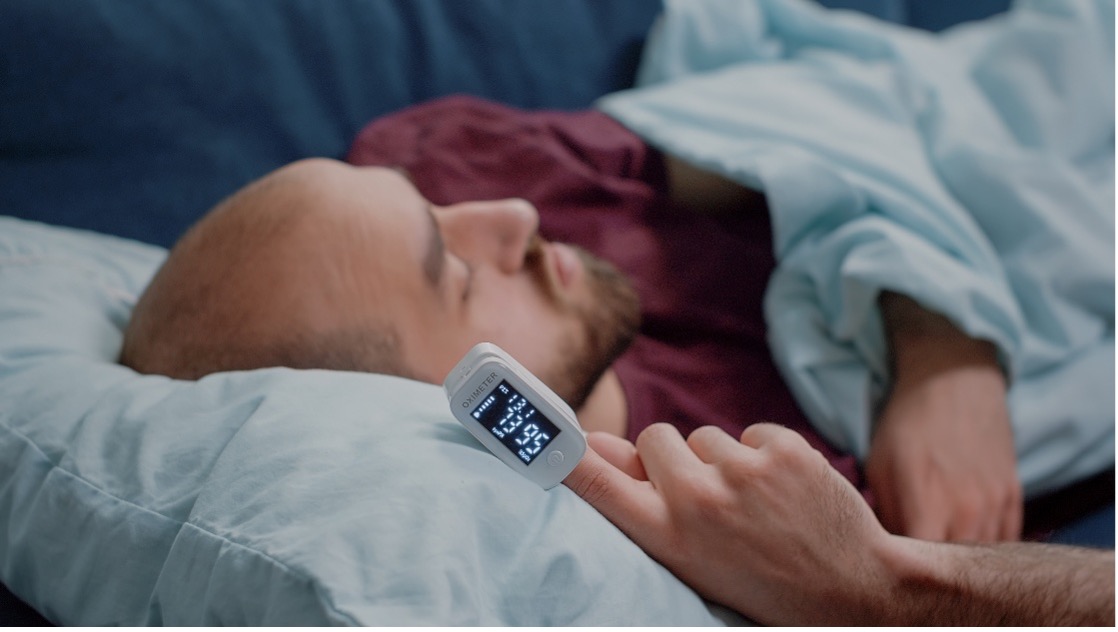
Sleep Monitoring Technology: From the Locker Room to the Dental Chair
Mark T. Murphy, DDS
In the world of professional sports, every fraction of a second, every recovery cycle, and every performance metric counts. Athletes at the highest level are now leveraging advanced sleep monitoring technology to optimize training, reduce injury risk, and enhance recovery. But what if the same principles applied to everyday health—particularly for patients suffering from sleep apnea?
As dentists, we are in a unique position to recognize the critical role sleep plays in systemic health. Research has confirmed that untreated sleep apnea significantly increases the risk of cardiovascular disease, stroke, and premature mortality. With more consumer wearables tracking sleep than ever before, patients are becoming more aware of their sleep health. This growing interest presents an opportunity for dental professionals to lead the conversation on sleep apnea treatment.
The Sports Science of Sleep Health and Performance
Years ago, a major league baseball team pioneered the use of a sleep monitoring device to improve player performance. Today, nearly every professional sports team across baseball, football, basketball, hockey, and golf closely monitors their athletes’ sleep patterns, quality, and recovery cycles.
One key metric they track is heart rate variability (HRV), which provides insights into an athlete’s ability to train at peak intensity or whether they need more recovery time. Even elite golfers like Tiger Woods have reportedly relied on wearable sleep monitoring to make game-time decisions about whether to push forward or rest. These sleep health data-driven decisions help athletes optimize their performance and longevity.
The takeaway? Sleep health isn’t just about feeling well-rested; it’s a critical component of systemic health and resilience. And if elite athletes use sleep science to gain a competitive edge, why shouldn’t our patients harness dental sleep medicine insights to protect their long-term health?
The Critical Risks of Sleep Apnea
The Wisconsin Sleep Cohort Study, a well-documented 20-year longitudinal study, revealed that individuals with severe sleep apnea had significantly lower survival rates than those without sleep disorders. While no one dies directly from sleep apnea—unless they are so tired, that they have a fatal accident—the long-term effects of sleep apnea contribute to major systemic health issues.
Sleep apnea-related oxygen deprivation increases inflammation, disrupts metabolic function, and places excessive strain on the heart. Patients with untreated sleep apnea are more likely to suffer from high blood pressure, atrial fibrillation, and even complications from conditions like diabetes.
As awareness grows, more patients are seeking answers—but they don’t always know where to start. This is where dentists can make a difference.
Consumer Wearables and the Rise of Sleep Awareness
Just as sports teams use sleep monitoring for peak performance, the general population is beginning to do the same. Consumer wearables like the Apple Watch now provide sleep data, giving individuals real-time insights into their sleep quality, oxygen levels, and heart rate variability.
This trend is a game-changer. Patients are already coming into dental practices with concerns about sleep, armed with data from their devices. Many of them may not even realize that dentists play a role in sleep apnea treatment. By engaging in these conversations, dental professionals can guide patients toward proper screening, diagnosis, and treatment options.
While wearables can’t replace clinical diagnosis, they provide an entry point—an opportunity for education and early intervention.
Dentistry’s Expanding Role in Sleep Health
A study reported in the Journal of Dental Sleep Medicine in 2018 found that about 76% of general dentists reported screening for obstructive sleep apnea (OSA). However, most of these dentists screen fewer than 70% of their patients, and many expressed a lack of confidence in their screening ability. Another poll of dentists was reported in the Journal of Dental Sleep Medicine in 2023. This latest survey found that 44% of dentists do not screen for sleep-disordered breathing (SDB), and 40% of respondents wanted to learn how to assess sleep-disordered breathing. Obviously, as a profession, we have room for improvement.
The connection between dentistry and sleep apnea is clear: the airway is our domain. As dentists, we routinely observe anatomical signs that indicate possible sleep-disordered breathing such as tongue position, narrow arches, or excessive tooth wear from nocturnal bruxism. By identifying at-risk patients, we can help them take the next step toward diagnosis and treatment.
Oral appliance therapy (OAT) is emerging as a preferred treatment option for many patients, offering an effective and comfortable alternative to CPAP therapy. Mandibular advancement devices help keep the airway open, reducing the risk of oxygen desaturation and improving sleep quality. And unlike CPAP machines, which many patients struggle to tolerate, oral appliances are discreet, easy to use, and designed for long-term compliance.
As the field of dental sleep medicine continues to evolve, dentists have a growing opportunity to collaborate with sleep physicians and medical professionals. By embracing a sleep-focused approach to patient care, we’re not just treating teeth—we’re helping patients breathe better, sleep better, and live longer.
Bringing the Future of Sleep Science into Dentistry
The future of dental sleep medicine isn’t just in hospitals or sleep labs. It’s in everyday health monitoring, from the sports arena to the dental chair. As sleep monitoring technology becomes more sophisticated, awareness of sleep apnea will continue to rise. Patients are increasingly looking for solutions that are effective, convenient, and personalized to their needs. By integrating sleep conversations into routine patient visits, dentists drive meaningful health outcomes while positioning our practices at the forefront of this evolving field.
What’s Next?
In my next blog, I’ll explore the dentist’s role in identifying sleep-disordered breathing, the tools and techniques I use to assess risk, and collaboration with medical specialists to improve patient health.
For a deeper dive into airway-centric dentistry, check out the Pankey Webinar: Airway Centric Dentistry.


Related Course
Mastering Aesthetic Restorative Dentistry
DATE: November 14 2027 @ 8:00 am - November 21 2027 @ 12:00 pmLocation: The Pankey Institute
CE HOURS: 32
Regular Tuition: $ 6900
Single Occupancy with Ensuite Private Bath (per night): $ 365
Aesthetic dentistry is where artistic form meets functional restorative dentistry. Where patients, clinicians, specialists and laboratory technicians communicate with each other in an effective way and each provide input contributing…
Learn More>
About Author
Dr. Mark Murphy is the Executive Director of Restfull and the IAOS. He was previously the Lead Faculty for Clinical Education at ProSomnus Sleep Technologies, served on the Guest Faculty at the University of Detroit Mercy School of Dentistry, and was a Regular Presenter on Sleep, Business Development, Practice Management and Leadership at the Pankey Institute. He lectures internationally on Leadership, Business, Dental Sleep Medicine and TMD. He has a knack for presenting pertinent information in an entertaining manner. He has served on the Boards of Directors of The Pankey Institute, National Association of Dental Laboratories, the Identalloy Council, the Foundation for Dental Laboratory Technology, St. Vincent DePaul's Dental Center and the Dental Advisor. He lectures internationally on Leadership, Practice Management, Communication, Case Acceptance, Planning, Occlusion, Sleep and TMD. He has a knack for presenting pertinent information in an entertaining manner. mtmurphydds@gmail.com