

From Burnout to Balance: Understanding and Managing Stress in Dentistry
By Paul A. Henny, DDS
Your heart races before a complicated procedure. Your stomach tightens when you notice the hygiene schedule is unexpectedly light. Your shoulders tense as you look at the growing pile of mail on your desk and emails in your inbox, wondering how you’ll manage to pay your bills and respond to everyone on time. By the end of the day, you are mentally, physically, and spiritually drained.
These feelings are all too familiar for dental professionals, as our body’s ancient alarm system struggles to cope with the unprecedented demands of our fast-paced, digitalized world, increasing the stress in dentistry.
Recognizing the Rooting Cause of Stress in Dentistry
Stress can originate from external factors, such as natural disasters, accidents, or interpersonal conflicts. It can also stem from internal sources — how dental professionals think and react to external events. The good news is that by understanding the nature of stress in dentistry, we can enhance our ability to recognize and manage it before it becomes too destructive in our lives and improve our work-life balance accordingly.
The Science Behind Stress
In 1936, endocrinologist Hans Selye discovered that stressful events cause changes in the gut, hormone levels, and immune system. Today, we know that many of the body’s microbiomes are significantly altered by stress as well.
Stress in dentistry can be either beneficial, termed ‘eustress,’ or harmful, referred to as ‘distress,’ which may eventually lead to pathologic states. Chronic stress can severely impair our ability to learn, recall information, and function effectively. Elevated cortisol levels contribute to brain fog, poor sleep quality, mood swings, chronic anxiety, and much more.
Hans Selye noted that too much stress leads to “demands placed on an organism that exceed its reasonable capacity to fulfill them.” For dental professionals, the signs and symptoms of chronic stress manifest on psychological, physiological, and emotional levels, leading to the inability to maintain a proper work-life balance and ultimately experience burnout.
Common Signs & Symptoms of Stress Among Dentists
Dental professionals may experience stress differently, but here are common red flags to watch for:
- Increased heart rate or high blood pressure
- Digestive issues or loss of appetite
- Jaw clenching, bruxism, or TMD symptoms
- Restlessness, irritability, or emotional detachment
- Overthinking and mental fatigue
- Chronic anxiety, Unexplainable anger, and frequent headaches
- Physical tension, especially in the shoulders and neck
The Dangers of Chronic Stress
When our body is in a constant state of overstimulation, it begins to adapt in often dysfunctional ways:
- Increased caffeine or sedative consumption
- Overuse of psychoactive drugs
- Compulsive, neurotic behaviors
- Combative actions or emotional withdrawal
- Weight fluctuations and reproductive problems
- Memory issues and forgetfulness
- Social withdrawal
- Emotional insensitivity and passive-aggressive tendencies
- Co-dependent relationships
If left unchecked, these patterns of chronic stress can lead to chronic exhaustion, depression, disrupted sleep, vascular and heart disease, obesity, low self-esteem, and even burnout.
Creating a Work-Life Balance in an Overstressed World
If any of this sounds familiar — either to you or your patients, then you’re not alone. We live in an overstressed society, where these patterns are often normalized. However, it’s essential to remember that we still have the power to choose how much we participate in this stress, and most importantly, how we engage with it.
Dentistry offers unique opportunities to make conscious choices regarding both the intensity and nature of our stress in dentistry. We don’t have to reduce our lives to the pursuit of money, possessions, or status, which can often lead to spiritual emptiness. The Pankey Essentials helped me unlock a path to balance and fulfillment in both my career and personal life.


Related Course

Strategies to Achieve A Financially Successful Practice AND an Effective Work/Life Balance
DATE: September 10 2026 @ 8:00 pm - September 10 2026 @ 9:00 pmLocation: Online
CE HOURS: 1
Webinar Description: Owning a successful dental practice requires mastering the clinical aspects of dentistry along with also mastering the business side of dentistry. As a result of the many challenges,…
Learn More>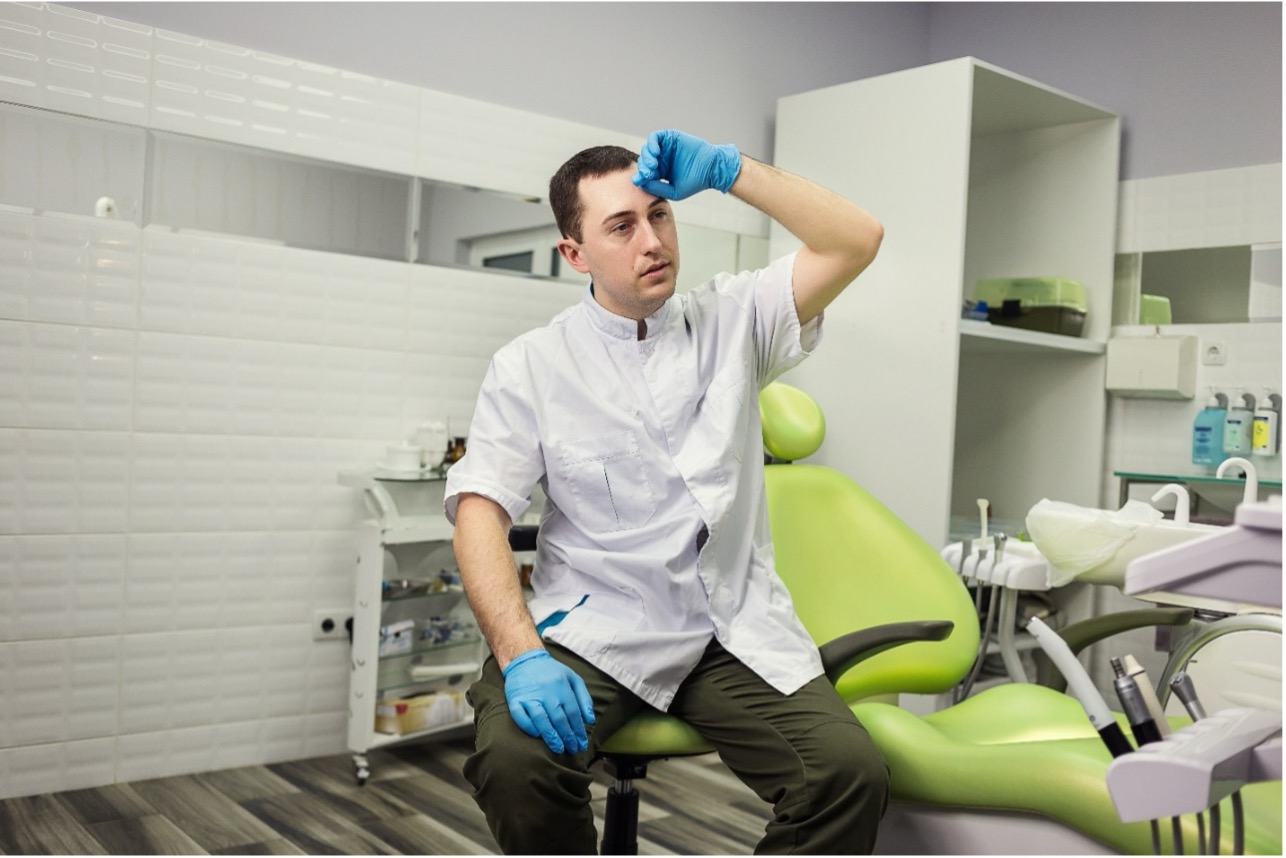
About Author

Dr. Paul Henny maintains an esthetically-focused restorative practice in Roanoke, Virginia. Additionally, he has been a national speaker in dentistry, a visiting faculty member of the Pankey Institute, and visiting lecturer at the Jefferson College or Health Sciences. Dr. Henny has been a member of the Roanoke Valley Dental Society, The Academy of General Dentistry, The American College of Oral Implantology, The American Academy of Cosmetic Dentistry, and is a Fellow of the International Congress of Oral Implantology. He is Past President and co-founder of the Robert F. Barkley Dental Study Club.