The Unreliable Nature of Memory and Its Impact on Dentistry
Paul A. Henny, DDS
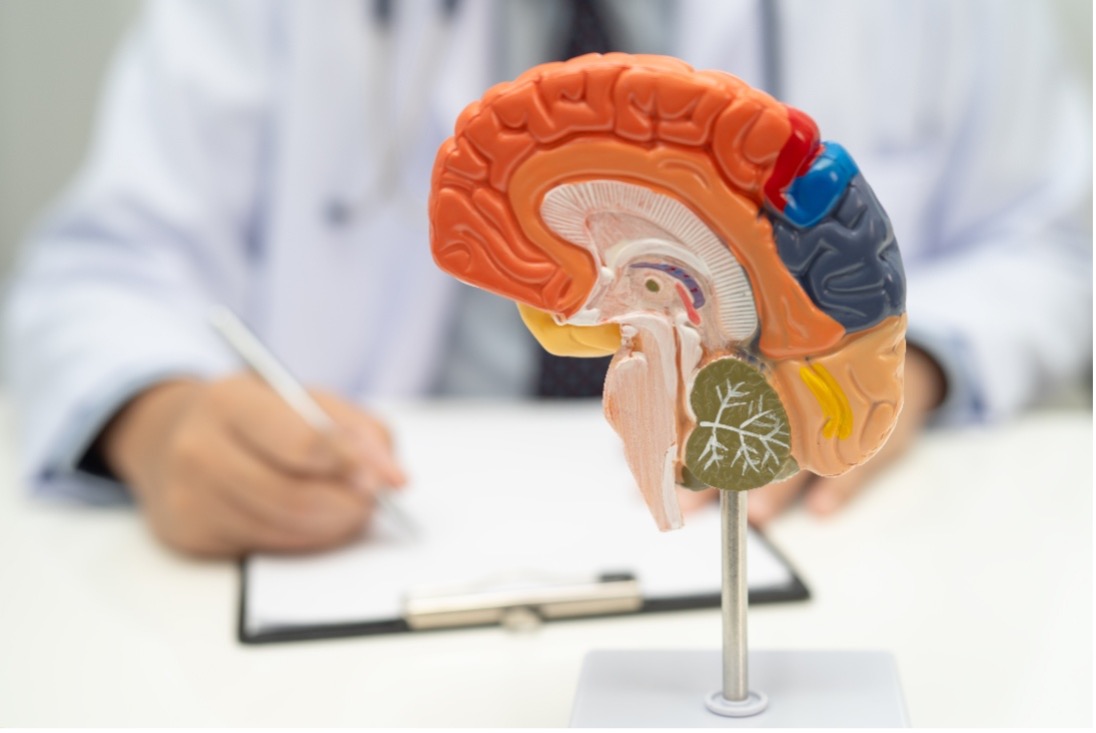
Got memories? They’re stored deep in our limbic system, cerebral cortex, and cerebellum. But here’s the catch: we can only access a small fraction of them. And even our most cherished memories, our child’s first bike ride, that breathtaking trip to the Grand Canyon, or our role in a championship game, aren’t as accurate as we think.
In fact, if we want to preserve our memories exactly as they happened, we’d need to stop thinking about them altogether. That, of course, is neither desirable nor possible. Each time we recall a memory, our brain slightly rewrites it, influenced by our current emotions, previous dental experiences, and perceptions. Memory’s primary function isn’t perfect recall; it’s to promote safety.
How Emotions Shape Our Memories
A study in the Journal of Neuroscience confirms that emotions shape not only our experiences but also our recollections. Every time we retrieve a memory, our brain reprocesses it in a slightly altered way, influenced by our emotional state at the time. Feeling down? The memory might take on a more negative tone. Feeling fearful? The memory might become even more distressing.
This has profound implications in dentistry. Many new patients arrive with deeply ingrained stories of past trauma, stories that may not be entirely accurate but are, to them, entirely real. How many times have we heard patients recall, “The dentist stood on my chest with both feet to pull my tooth out”? It didn’t happen that way, but they believe it did. And that belief matters.
Why the Meaning of a Memory Matters More Than Accuracy
As dental professionals, we must listen without judgment to our patients’ stories. Accuracy is secondary to what the memory means to them because meaning is what drives behavior.
If a patient’s memory of past dental experiences is tied to fear, discomfort, or loss of control, it can prevent them from embracing new, safe, and positive experiences. On the other hand, when a patient is open to reassessing their past dental experiences with an intent to grow, we can help them move beyond fear and toward better oral health decisions.
Carl Rogers once said, “The only people who change are those who are ready to change.” He was right. Change happens when a person is open to reinterpreting their past in a way that allows for a better future. And in dentistry, that shift can be the key to helping patients overcome fear, rebuild trust, and take control of their health.
If you’re interested in learning more about improving patient communication and transforming your dream practice vision into reality, we have a hands-on course focused on this. Learn more to get your blueprint to success!


Related Course

Proactive Caries Care: Harnessing AI Diagnostics and Biomimetic Repair for Superior Patient Outcomes
DATE: January 16 2026 @ 2:00 pm - January 16 2026 @ 3:15 pmLocation: Online
CE HOURS: 1.25
Proactive Caries Care: Harnessing AI Diagnostics and Biomimetic Repair for Superior Patient Outcomes Course Description: This course explores how artificial intelligence, predictive diagnostics, and guided hydroxyapatite generation are redefining early…
Learn More>Related Article
About Author
Dr. Paul Henny maintains an esthetically-focused restorative practice in Roanoke, Virginia. Additionally, he has been a national speaker in dentistry, a visiting faculty member of the Pankey Institute, and visiting lecturer at the Jefferson College or Health Sciences. Dr. Henny has been a member of the Roanoke Valley Dental Society, The Academy of General Dentistry, The American College of Oral Implantology, The American Academy of Cosmetic Dentistry, and is a Fellow of the International Congress of Oral Implantology. He is Past President and co-founder of the Robert F. Barkley Dental Study Club.